If you’re wondering can you take photos in public in London, the answer is generally yes. You can photograph from streets and pavements without asking permission, though private property, a few restricted spaces and your behaviour can change that.
This guide sits alongside our look at the photography community london and how people shoot across the city.
| Topic | What the sources say |
|---|---|
| Photos from a public pavement, footpath or highway | Allowed, as long as you do not obstruct other users |
| Consent to photograph people in a public place | Not needed |
| Professional photography in Trafalgar Square, Parliament Square and the Royal Parks | Banned, per urban75’s update of April 2009 |
| Harassment threshold | A course of conduct, so at least twice |
| Police power to delete your images under Section 43 or 44 | None, per Met guidance of 14 December 2009 |
| Owner of private property open to the public | Can require you to stop taking photos |
These figures come from urban75’s photographers’ rights guide and the Met police photography advice it archives. Rules and local policies can change, so check the source before you rely on them.
The short legal picture on London streets
If you stand on a public pavement, footpath or public highway, urban75’s guide says you are free to take photographs for personal and commercial use. The condition is that you are not obstructing other users or falling foul of anti-terrorism laws. That guide was last updated in April 2009, so treat it as a starting point rather than the final word.
The same guide cites the case DPP v Jones (1999), where the court recognised that the public may enjoy a public highway for any reasonable purpose, provided it does not amount to public or private nuisance or obstruct the highway. The practical test, then, is whether you are getting in anyone’s way.
ExpertPhotography, last updated in April 2025, puts it bluntly: if you’re on public property, you can take photos of whatever you like. It adds that photography in libraries, museums and government buildings is subject to the venue’s rules as well as the law.
Where London limits photography
The limits mostly fall into a few groups, and knowing which one you are in saves arguments later.
- Restricted public spaces: urban75 notes that professional photography is banned in Trafalgar Square, Parliament Square and the Royal Parks. It says a low-key approach should cause no problems, but tripods, models and big lights invite attention.
- Private property: many museums, art galleries, football grounds and concert venues ban photography as a condition of entry. The same applies to shops and other private property open to the public, where the owner or occupier can demand that you stop.
- Stations: urban75 says you do not need to ask permission in most circumstances, but it is worth checking with individual companies first. It reports that Network Rail asks people to notify station staff, and that taking photographs on stations is permitted for personal use.
Shopping centres and malls often stand on private land, so their security staff can ask you to stop even though the pavement outside is fine. Buildings are simpler: urban75 says property owners have no right to stop you photographing their buildings so long as you are standing in a public place, such as the road outside.
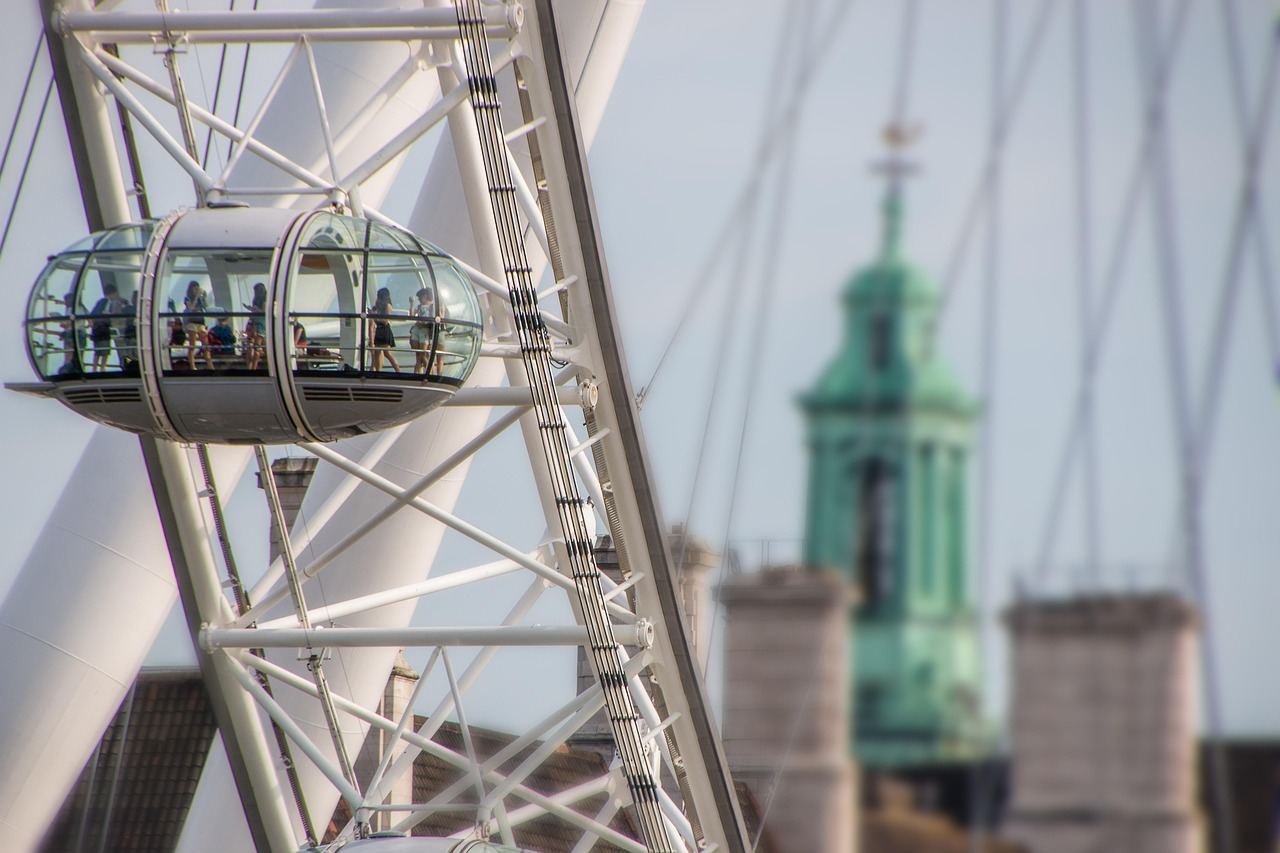
Photographing people, children and privacy
You do not need someone’s consent to photograph them in a public place, according to ExpertPhotography. People do keep a reasonable right to privacy, so you cannot peer through a living room window and start snapping.
Behaviour matters as much as location. Urban75 says harassment is a course of conduct, meaning it has to happen at least twice, and that it causes another person alarm or distress. It also advises that if someone asks you to stop taking pictures of them, it is generally a good idea to do so.
The same guide says there are no laws against taking photos of children, but that anyone taking an unhealthy interest can expect unwelcome attention. It quotes a Home Office minister saying decisions may be made locally to restrict photography, for example to protect children. If you plan to use recognisable faces commercially, urban75 warns that international clients may want a model release.
What police and security can and cannot do
In guidance issued to Met officers on 14 December 2009, the Assistant Commissioner for Specialist Operations said there is no restriction on taking photographs in public places or of any building other than in very exceptional circumstances. He also said there is no prohibition on photographing front-line uniform staff. That is the Met’s position as of that December 2009 statement.
The guidance explains two stop-and-search powers under the Terrorism Act 2000. Section 43 applies where an officer has reasonable suspicion that a person may be a terrorist, while Section 44 applied by virtue of a person being in a designated area. Under either, officers do not have the power to delete digital images, destroy film or prevent photography in a public place.
The document also mentions Section 58A of the Counter Terrorism Act 2008, which covers photographs of police officers employed at the front line of counter terrorism operations. It says those scenarios will be exceptionally rare and do not cover rail enthusiasts, tourists or the media.
Security guards are a different matter. ExpertPhotography says nobody can make you delete photos you have already taken, though a venue can set a no-photography rule on its own property and you should follow it. If you are stopped, it suggests asking questions in this order:
- Ask why they are stopping you and whether you can leave.
- Ask for the name of the person stopping you, and whether they are security or police.
- Ask who their employer is.
- Ask what legal purpose they have to stop you or confiscate your equipment.
Practical habits for shooting around London
The sources point to a few habits that keep most outings trouble-free.
- Shoot from public ground and keep pavements and entrances clear.
- Keep your kit small; large crews and lights draw the attention of park and square staff.
- Stop if a venue, owner or the person you are photographing asks you to.
- Stay calm and polite if you are challenged, and ask what power the person is relying on.
Weather is the next thing to plan for, and our notes on photographing london in the rain cover it. If you would rather learn the local etiquette alongside other people, you can read about london camera clubs as well.
Frequently asked questions
Do I need permission to photograph strangers on a London street?
Show answer
No. ExpertPhotography says you don’t need a person’s consent if they are in a public place, but they keep a reasonable right to privacy. If someone asks you to stop, urban75 advises that doing so is generally a good idea.
Can a police officer make me delete my photos?
Show answer
Ask what legal power is being used, and check current guidance.
Can I photograph buildings in London?
Show answer
Yes, if you are standing in a public place. Urban75 says owners cannot stop you photographing their buildings from the road outside, but they can ask you to leave if you are on their private property.
Can I bring a tripod and models to Trafalgar Square or a Royal Park?
Show answer
Be careful. Urban75’s update of April 2009 says professional photography is banned in Trafalgar Square, Parliament Square and the Royal Parks, and that large setups can draw demands for a fee. Check with the managing body before you plan a shoot.