Not sure what’s allowed when the lights dim? Good photography talk etiquette is simple: ask before you photograph people, keep flash and recording off unless the venue says yes, and follow the organiser’s rules.
This page belongs to the wider guide to london photography talks, which collects practical advice for audiences and speakers.
| Item | Value |
|---|---|
| Flash at panels on all MCM London stages | Prohibited |
| Photographing people who are the focus of an image | Consent always required |
| Photographing under-18s | Parent or guardian permission |
| Withdrawing consent after signing a form | Possible, in writing |
| Smart-glasses recording at stages and panel rooms | Strictly prohibited |
These figures come from MCM London Comic Con’s photography guidelines and the University of Bath’s data protection guidance. Rules can change, so check the source and the venue’s own page before you rely on them.
Start with the venue’s rules, not your habits
Rules differ from room to room, so the first job is to read what the organiser or venue says. MCM London Comic Con’s guidelines, for example, ask visitors to respect venue photography policies and note that additional approval may be required in Excel’s public spaces, such as the boulevard. The same page says management may ask any individual to stop taking photographs or filming at their discretion, so a polite “of course” is the right reply. Details are on MCM’s photography guidelines page.
Institutions also lean on the law. Newnham College’s filming protocol tells anyone applying to film or record that it is their responsibility to ensure the recording complies with UK law and legislation, as set out in its protocol.
A well-run event should also tell you what is happening. Imperial College London’s guidance on photography and video says people should always be made aware that photography or video recording is taking place and that they do not have to take part. It suggests several ways to do that:
- telling people when they sign up to attend
- posters that say photography or video recording will occur
- telling people in person
- making clear where photography or video recording will and will not occur
If you see none of these signals, ask a steward or the organiser before you raise your camera.
Flash, kit and sightlines
Your neighbours came to listen, and flash is the quickest way to spoil that. MCM’s guidelines say flash photography is prohibited during panels on all its stages, in the quiet room and at Cosplay Central. Unless the organiser says otherwise, treat flash as off in any dark room with a speaker at the front.
Equipment matters as much as light. MCM requires that any equipment be held by the photographer, and it does not permit free-standing equipment or extra equipment held by other people, such as lights and flashes, unless it is part of a booked trading or exhibiting space. It also asks visitors not to obstruct walkways, exits or emergency routes while taking photos.

Organisers apply the same logic to their own recordings. The Bett 2024 speaker guidelines ask that recording be static, with no roving cameras unless the Stage Manager approves, and that equipment or a videographer must not obstruct the AV team or desk, any aisles, gangways or emergency exits, or the audience’s view of the session. You can find them in the Bett filming guidelines. They are written for speakers, but the principle suits any audience member with a camera.
- Keep bags and kit out of aisles and away from exits.
- Stay in your seat rather than roaming for angles.
- Leave the AV desk clear.
Can you photograph the people around you?
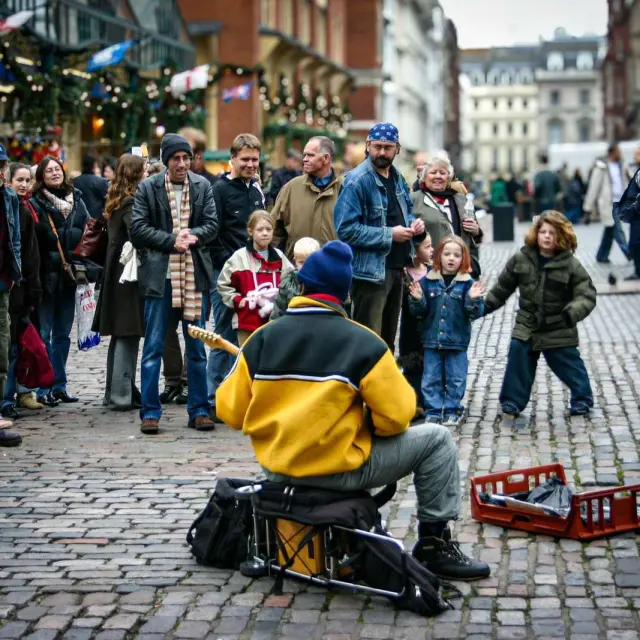
The short answer is ask first. MCM’s guidelines say permission must be sought from the subject of a photograph before you begin, and that the photographer must oblige if the subject asks to see the picture. They also remind visitors that not everyone wishes to be photographed.
The University of Bath’s guidance sets out the formal version: consent must always be obtained from people whose images are the focus of a photograph or film. It also says to get permission from the parent or guardian of any under 18s involved. The full wording is in Bath’s data protection guidance.
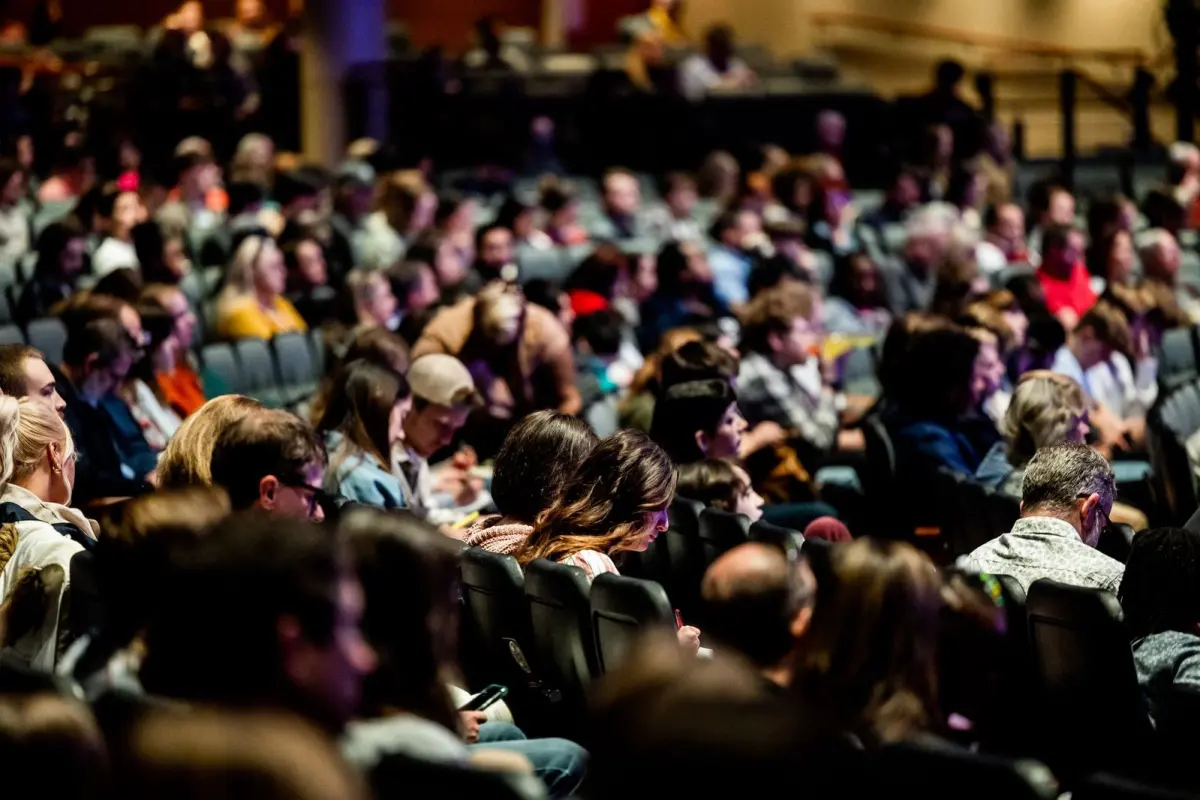
When an organiser films an audience, Bath says to display a warning notice and to tell everyone present before starting. Anyone who wishes to opt out may then leave or move to the back, if appropriate. Imperial’s guidance adds that if people tell the photographer they do not wish to be photographed, their wishes will be adhered to.
Consent can also be taken back. Bath says an individual can withdraw consent even after signing a form, and that the withdrawal should be in writing. Once consent is withdrawn the images cannot be used again, but it will not normally be possible to recall documents in which the image has already appeared.
Talk etiquette for recording, slides and smart glasses
Recording is a different matter from taking a photo. MCM’s rules say recordings are strictly prohibited at all stages and panel rooms, and staff may ask you to disable camera, recording, livestreaming or AI visual-capture features in restricted areas. The capture light or camera lens on smart glasses may not be covered, disabled, modified or obscured.
Panels bring extra rules. The Bett speaker guidelines, linked earlier, say that anyone recording a panel discussion must get consent from the entire panel before recording. That is a good model for any group on a stage.
Slides raise copyright questions, which matter at a photography talk because the screen is full of someone’s pictures. Bath says that for a public or one-off lecture, or one made available on the web, you need to consider both copyright and consent. Its guidance also says academics own copyright in their scholarly output, including the underlying lecture material such as PowerPoint slides and the content of the lecture once fixed by a recording. Bath’s guest speaker guidelines add that copyright covers photographs, still images, film and sound recordings. A speaker’s slide deck is therefore not yours to post just because you attended.
If you need to record for access reasons, tell the organiser before the event. Bath notes that special arrangements may be made for students with specific learning needs to record lectures for their own use.
If you are organising or speaking
Organisers carry most of the responsibility. Bath’s guest speaker guidelines say organisers should make sure guest speakers know the copyright considerations and should require them to sign any necessary consent forms. Speakers are responsible for being aware that they are responsible for the content they use, which includes images made by other people.
For the audience, the same document says to put up signs, tell people before recording and offer them the chance to sit somewhere they will not be filmed. If you are preparing to take the stage yourself, our guide on how to give a photography talk covers the speaker’s side.
A quick checklist before you press the shutter
- Read the event page or ask staff what the photography and recording rules are.
- Switch flash off and keep your kit out of aisles.
- Ask before photographing a person, and be ready to show the result.
- Do not record a stage or panel unless the organiser has said you may.
- Treat slides and images on screen as someone else’s work.
- Delete or remove a picture if the person in it asks.
Once the camera is away, make the most of the Q&A. The guide to questions to ask at a photographer talk can help you find something worth asking.
Frequently asked questions
Can I use flash at a photography talk?
Show answer
Check with the organiser first. MCM London Comic Con’s guidelines prohibit flash during panels on all its stages, and a quiet room needs the same courtesy.
Can I film a talk and share it online?
Show answer
Not without checking. Recordings can be banned outright, as at MCM’s stages and panel rooms, and Bath says a public lecture or one made available on the web raises both copyright and consent issues. Ask the organiser and speaker first.
What if I don’t want to appear in photos?
Show answer
Tell the photographer or organiser. Imperial’s guidance says people who do not wish to be photographed should say so, and that their wishes will be adhered to. Organisers are also advised to offer a seat where you will not be filmed.
Can someone withdraw consent after signing?
Show answer
Yes. Bath’s guidance says withdrawal should be in writing, and that images already published in documents cannot normally be recalled.